
news
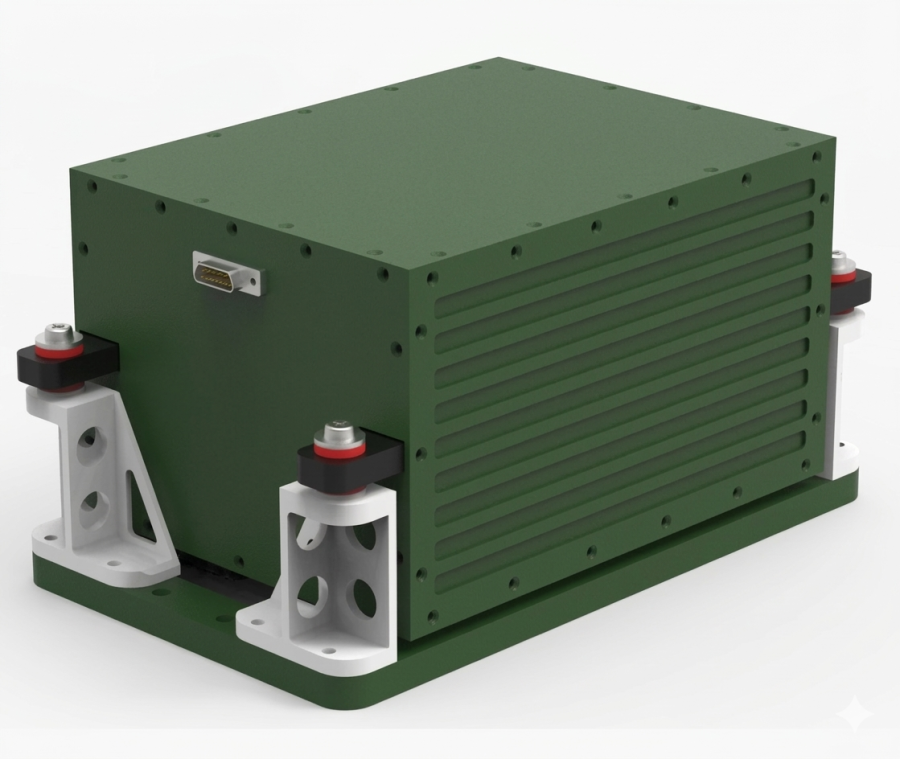
Ultra Low Drift Insitutes
Ultra Low Drift Insitutes
Drift is one of the most common problems in pesticide application and can have devastating impacts.ultra low drift ins In addition to the environmental damage it may cause, spray drift can interfere with effective crop protection. Drift is caused when spray droplets fly off course and land on adjacent or sensitive areas, such as cropland, roads, fencerows, livestock feedlots or rural homes. There are many factors that contribute to spray drift, including wind direction and speed, nozzle selection and spraying conditions. To reduce drift potential, nozzles that generate smaller spray droplets are preferred. Smaller droplets supply better coverage and can be more easily retained on plant foliage. However, there is a limit to how fine the spray drops can be before drift becomes a problem.
Several nozzle manufacturers now offer a new generation of nozzles that can significantly reduce the amount of drift-prone droplets generated by standard hydraulic flat-fan nozzles.ultra low drift ins This new class of nozzles is called a low-drift nozzle or drift-reducing nozzle and are identified by a “L” in the nozzle name (e.g., Greenleaf AirMix, Hypro GuardianAIR, Lechler IDK). A wind tunnel test has shown these nozzles to generate significantly less of the drift-prone droplets as compared to standard XR flat-fan nozzles.
In some cases, a particular application calls for heightened concern about drift.ultra low drift ins For example, applying systemic herbicides to dicamba-tolerant crops requires the use of nozzle configurations that can supply extremely coarse or ultra coarse spray quality. Additionally, some crops are difficult to wet, such as thick weed canopies, and require a coarse spray quality to penetrate the canopy.
Regardless of the application, all pesticide applicators bear responsibility for ensuring that their application will be successful and on-target. If a field has been previously sprayed with a restricted-use product, or if an application is made near susceptible crops or sensitive areas, then a very low drift inertial navigation system (INS) should be used in conjunction with the nozzle selected and operating pressure specified on the product label. In addition, a good steward of the environment will consider the use of an INS in combination with a wind speed reduction device to further reduce spray drift. New technologies such as micro electromechanical systems, fiber optics and nano materials have the potential to dramatically improve INS performance to the point where miniaturized low-cost devices can be developed for a range of commercial and dual-use applications. Such devices could be applied to small aircraft turret mounted imaging systems, long-life scientific sea buoys or underwater autonomous vehicles that operate in GPS denied environments. These devices would benefit greatly from the ability to rely on ultra low drift inertial sensors for position and attitude awareness.
2users like this.
- Home
-
All Products

Your cart is currently empty.