
news
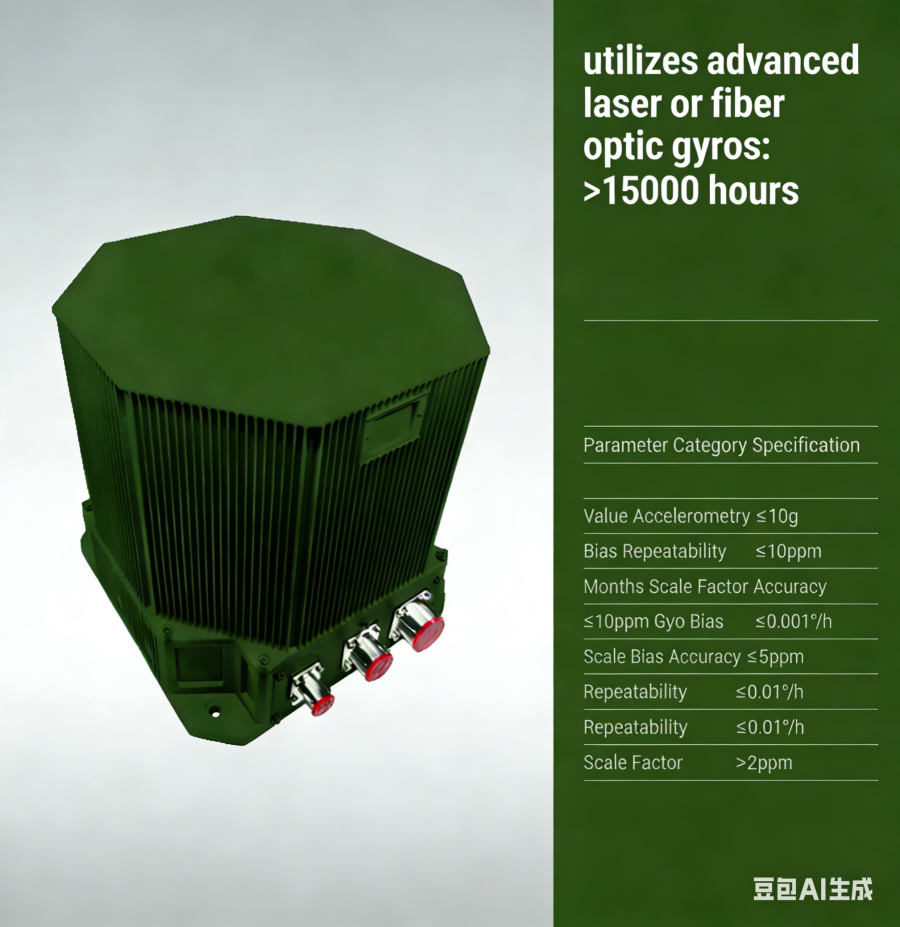
How to Design Rugged Ins for Harsh Environments
How to Design Rugged Ins for Harsh Environments
When working in harsh environments, it’s important to have hardware that can continue to function under stress.rugged ins for harsh environment Rugged devices are specialized electronic equipment that’s designed to work in conditions where standard consumer electronics would break down. They are used in industrial settings like construction sites and oil rigs, as well as military zones and other extreme workplaces. Rugged hardware can include everything from rugged smartphones to rugged computers to industrial wireless networking solutions.
While there is no one definition of what defines a rugged device, some key characteristics are typical.rugged ins for harsh environment They’re designed to withstand harsh environmental conditions, such as water, dirt, temperature changes, and even vibrations. They often have reinforced exteriors and protective casings, making them more durable than regular electronics.
They’re also tested to ensure they can keep working under severe conditions. Testing frameworks such as MIL-STD-810H focus on shock, vibration, altitude, and other factors that mimic real world deployments. It’s not about proving a device is indestructible, but about how well it performs under stress.
Many rugged devices have waterproof or dust-resistant casings, allowing them to operate under wet or dirty conditions. They can withstand high temperatures as well, with some models being able to work in freezing Arctic temperatures or scorching desert climates.
For example, NorComp’s rugged harsh environment connector solutions have IP67 moisture protection and high mating cycles to handle the demands of outdoor environments, such as oil rigs and weather stations. They are MIL-STD certified and provide a reliable connection critical to telematics technology reporting.
To design a truly rugged device, it’s important to think about the specific conditions that could damage the circuit board and components. This is why it’s helpful to consult with an experienced PCB design service. They can help you choose the right materials and features for your design, ensuring it meets the requirements of your harsh environment application.
The most important factor to consider when designing a rugged device is how it will be deployed. For example, a rugged device for use on an oil rig needs to be capable of operating in salty water and at an altitude of up to 20,000 feet. That’s a lot of conditions to take into account, so it’s essential to focus on the most relevant ones when creating your design. If you’re unsure where to start, we recommend checking out our comprehensive guide to designing rugged electronics. It offers detailed information on the different strategies that mil-aero and industrial designers are using to create robust devices. From there, you can apply the techniques that best fit your application and make a device that can thrive in harsh environments.
Tags:fog ins
0users like this.
- Home
-
All Products

Your cart is currently empty.