
news
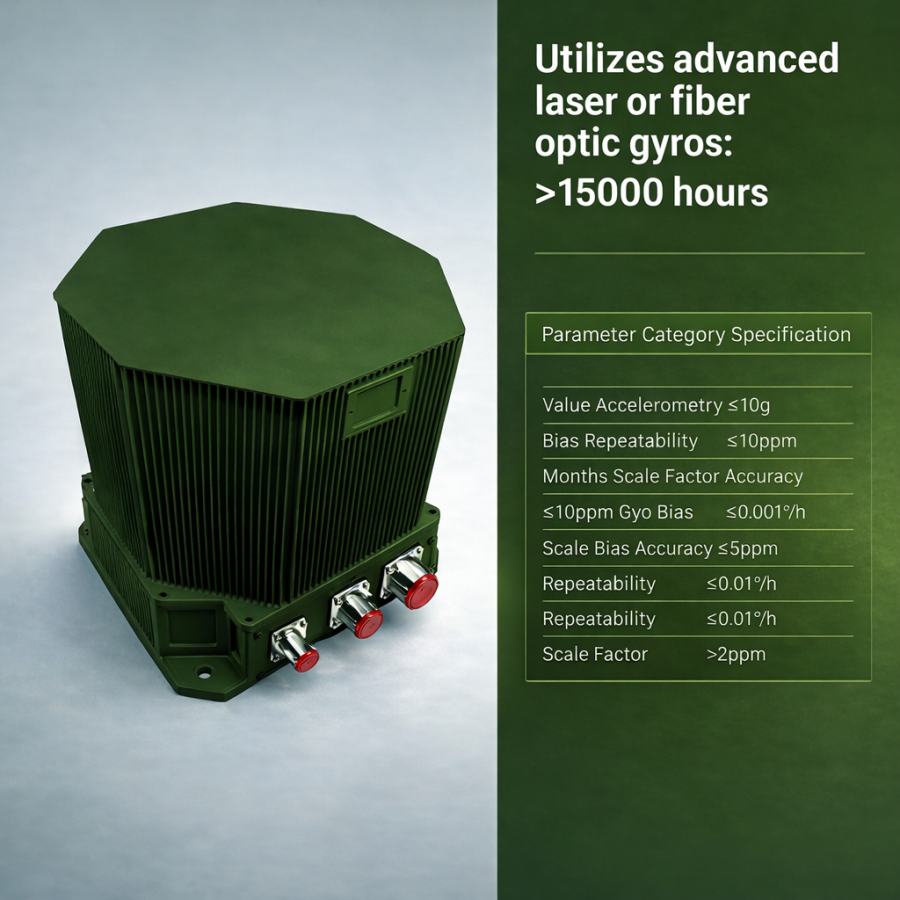
Choosing the Right Flight Control IMU for Your Drone
Choosing the Right Flight Control IMU for Your Drone
An inertial measurement unit (IMU) is the heart of your drone’s orientation sensor.flight control imu An IMU includes accelerometers and gyroscopes that measure linear acceleration, angular velocity and position respectively, to provide real-time data that can be used for stable flight control. The quality of an IMU impacts the overall accuracy of your drone, especially in applications where GPS signals may be weak or lost. Choosing the right IMU can mean the difference between success and failure for mission-critical tasks such as precision positioning in crowded environments or border patrols over featureless landscapes.
IMUs are a key component in closed-loop control systems, which deliver real-time feedback from the drone to its motor, helping to maintain stability and responsiveness even in complex flight conditions.flight control imu An IMU’s accuracy depends on its ability to update data at a fast rate, as well as its resistance to vibrations and temperature changes.
When choosing an IMU for a drone, you should always opt for high performance units that offer minimal drift and noise density.flight control imu A lower drift rate means that the IMU’s estimated position will remain relatively consistent over time. Low noise density helps to keep the position of the drone stable, reducing jitter and shaky video.
Vibration resistance is another factor to consider when selecting an IMU, as it can affect the accuracy of a drone’s orientation sensors. Vibrations can overwhelm the output of a gyroscope and accelerometer, leading to inaccurate data that results in erratic and unreliable flight. To avoid these issues, choose an IMU that has a robust vibration tolerance that allows it to function in demanding environments.
Temperature change can also be a significant challenge to overcome for an IMU, as it can lead to thermal drift, where the sensors give out inaccurate orientation data. This can impact the accuracy of a drone, causing it to fly erratically or to lose its sense of direction. To prevent this, choose an IMU with a high tolerance for temperature change and a robust design that can isolate its internal components from vibrations.
It’s also important to perform calibration on an IMU before every flight. This can help to estimate sensor biases and correct them accordingly. Then, during flight, the IMU can continually make real-time adjustments based on these estimated biases. This minimizes errors and ensures that the drone has accurate data to use for stable navigation and movement.
0users like this.
- Home
-
All Products

Your cart is currently empty.